
storyteller.
Scriptwriter.
Video strategist.
SINCE LAUNCH
10 WKS
1.5M
0%
7
YOUTUBE DOCUMENTARY • SCRIPTWRITING • EDITING
TOTAL VIEWS
PAID PROMOS
DOCS
I make documentary content that holds attention — through structure, craft, and an understanding of what keeps people watching. From script to screen, across genres, for platforms that reward retention.
1.5M
VIEWS • ORIGINAL SIN CRIME • 6 MONTHS FROM LAUNCH

DOCS
PAID PROMOS
ORIGINAL SIN CRIME
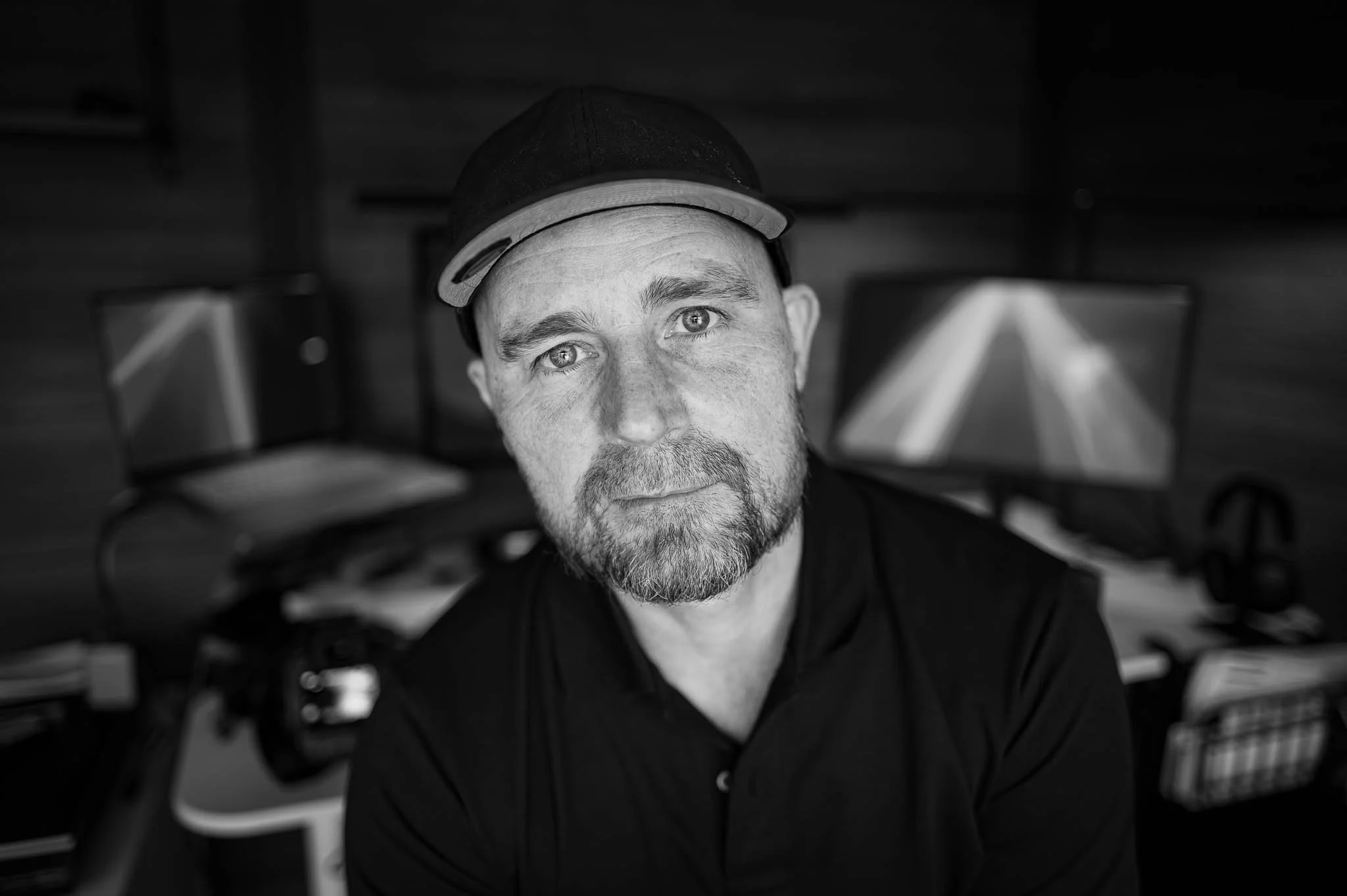
THE PROBLEM
Most channels don't have a PRODUCTION problem.
They have a structure problem. Great material collapses on screen when the mechanics fail.
— Answers arrive too early — jeopardy flatlines
— Context floods the opening — viewers leave
— Reveals land without preparation — payoffs feel cheap
— The edit explains instead of unfolding
THE FIX
It controls when the viewer learns something, how uncertainty is sustained, and why the payoff feels earned. My work focuses on the retention mechanics — hook design, escalation, jeopardy management, curiosity loops — then expresses it cleanly through script and edit.
A strong documentary spine.
EXPERTISE
SERVICES
Documentary Script Build
You bring the project. I build the full script: cold open, structural spine, escalation, jeopardy management, reveal sequencing, earned payoff.
01 —
Script Surgery
You have a draft. I restructure it: re-hook the open, manage the reveals, fix mid-film jeopardy collapse, and make the payoff land.
02 —
Anatomy Edit Pass
You have a rough cut. I rebuild the edit map, compress, re-hook, and deliver full notes + timestamps.
03 —
ORIGINAL SIN CRIME
Evidence-led. Procedure-first.
No speculation. Built for retention.
METHOD NOTE
Evidence-led storytelling. Public court proceedings only. Tension built from what can actually be proved.
PROJECTS
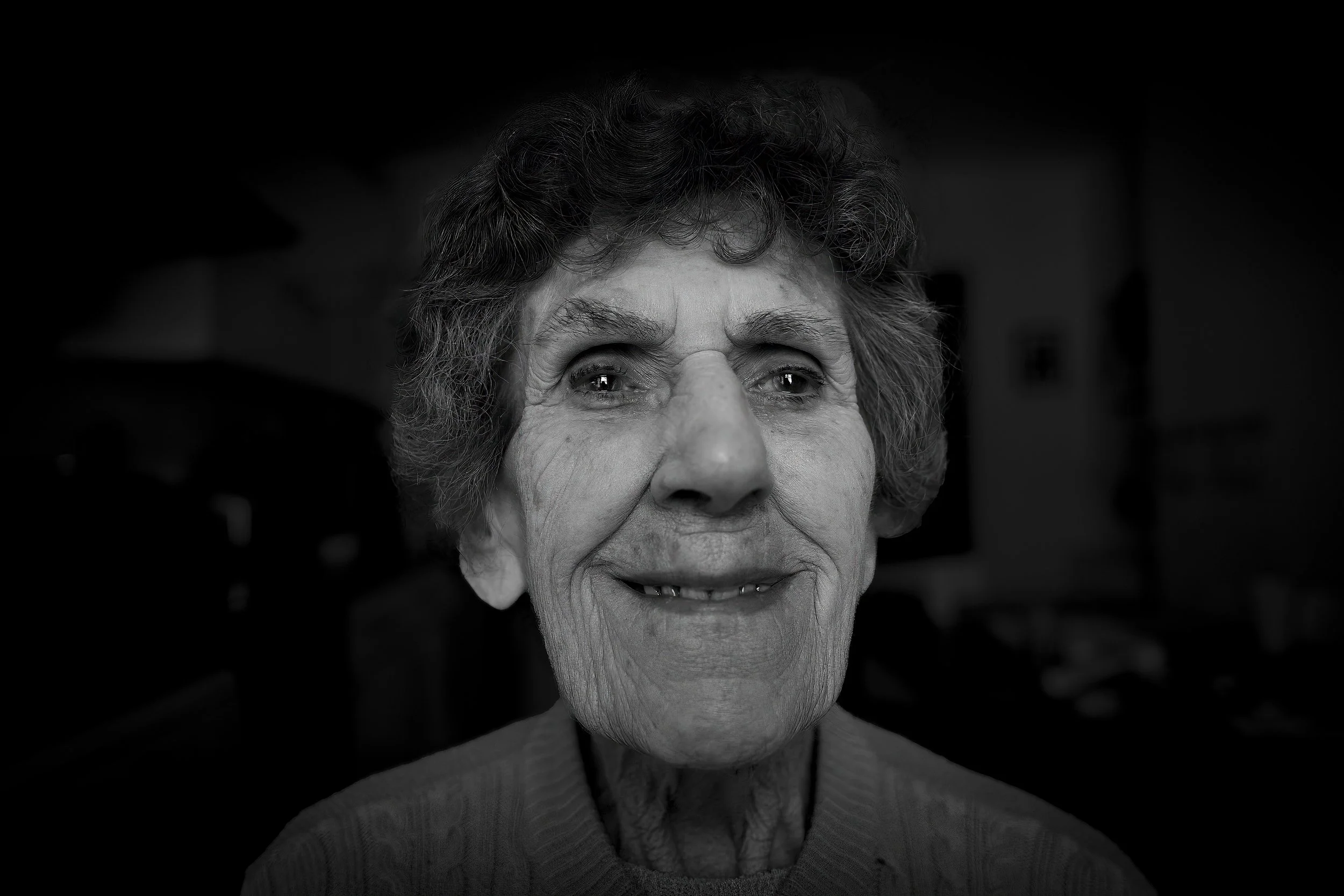


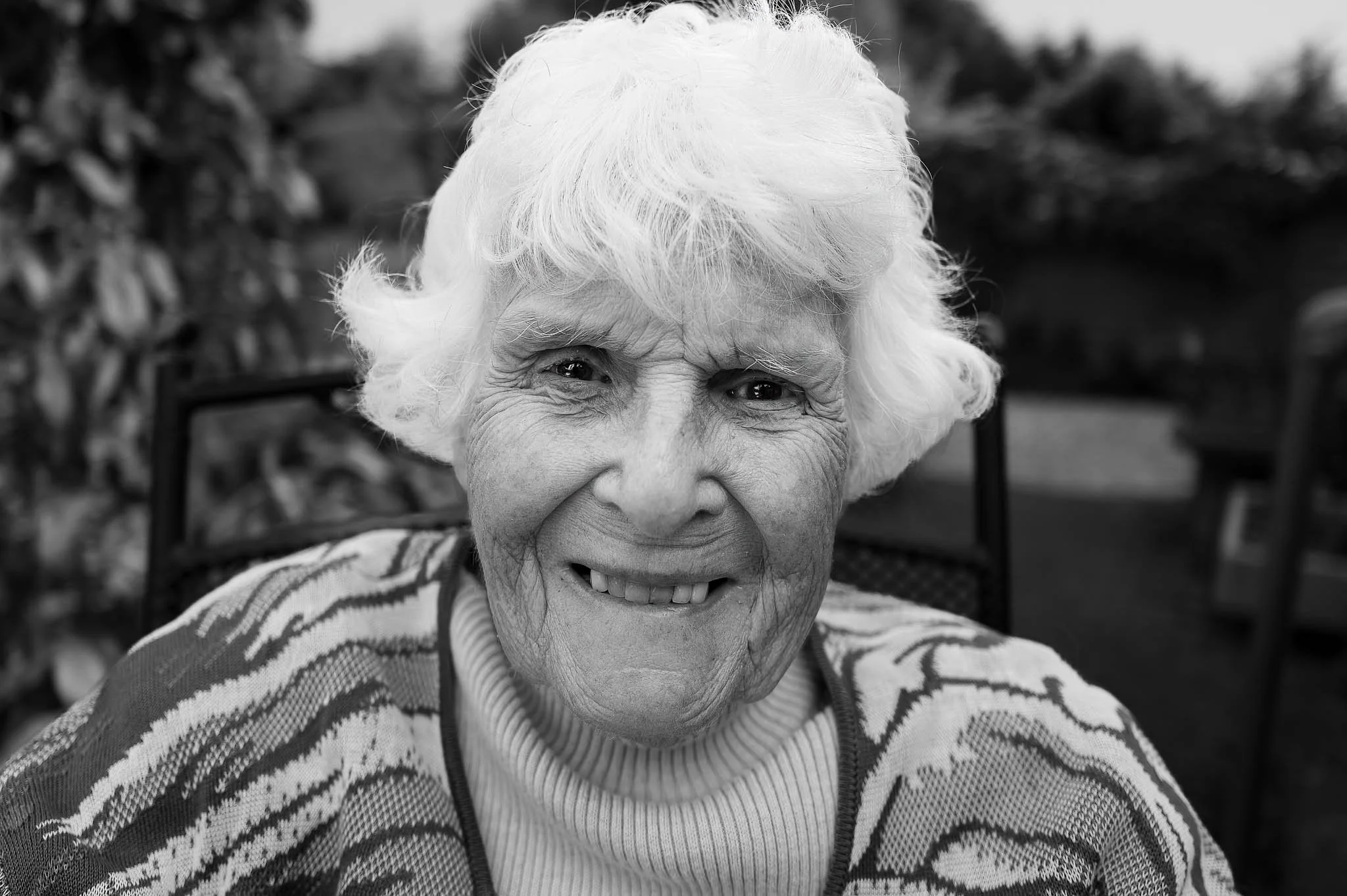

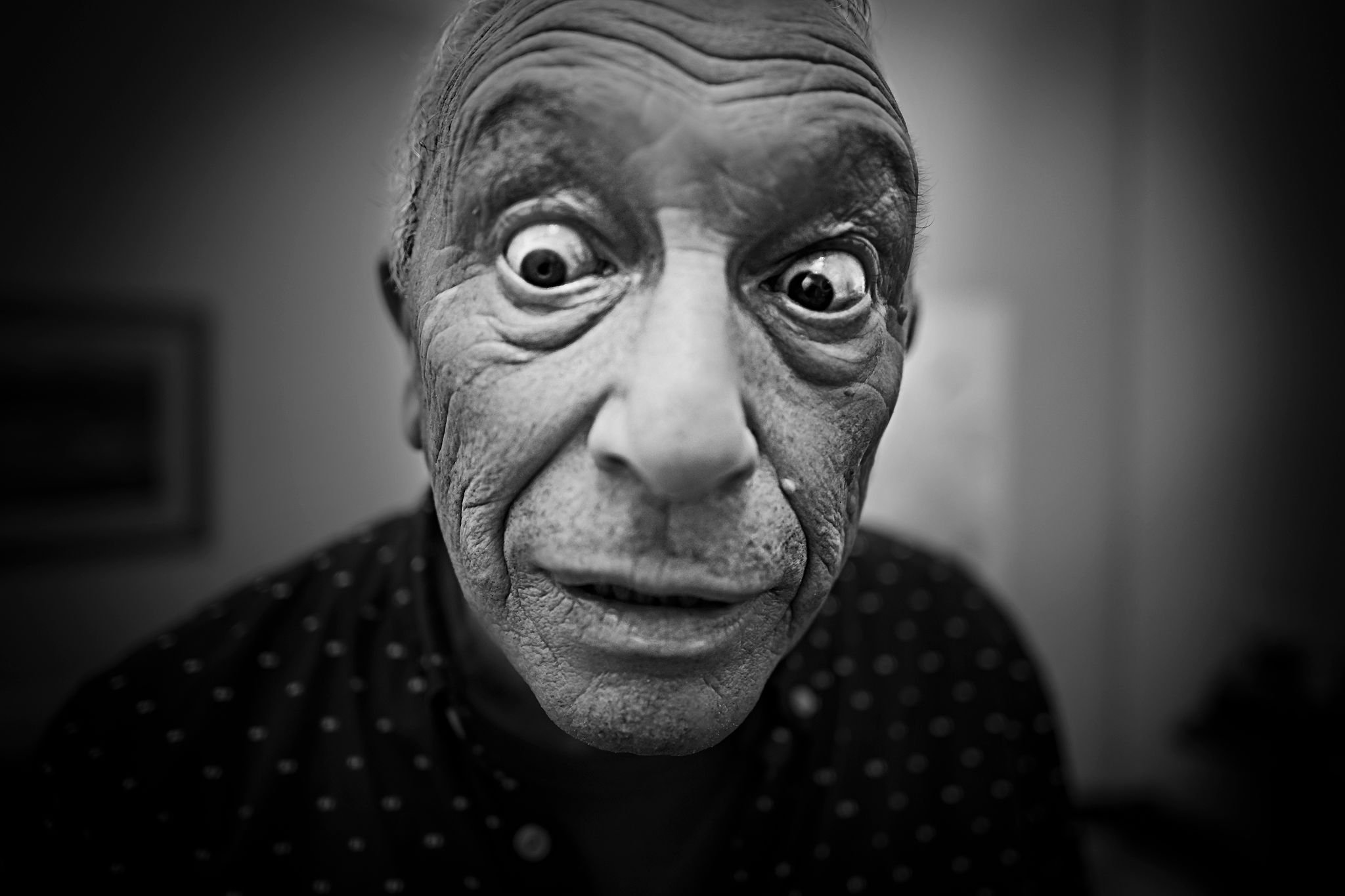
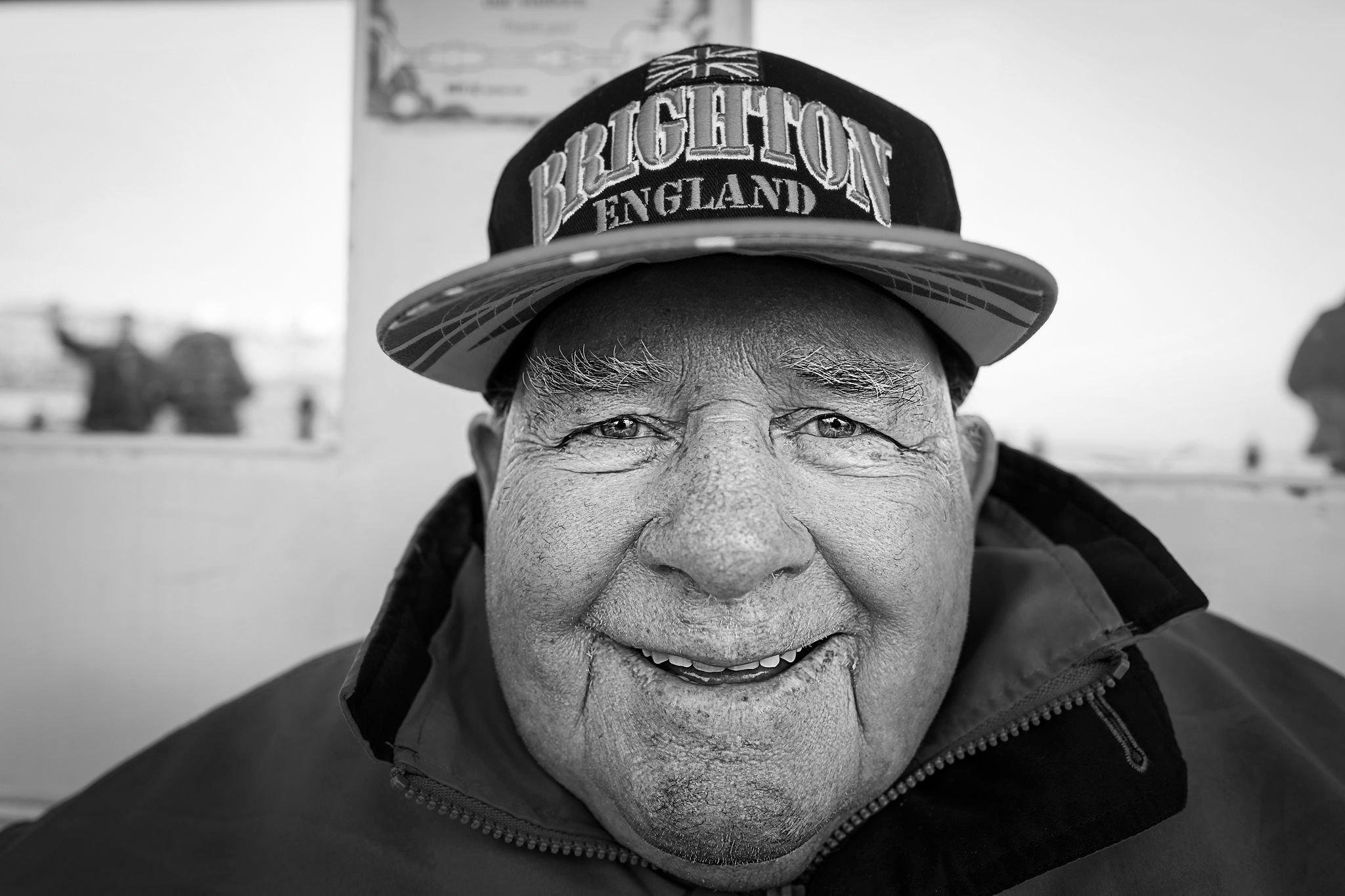
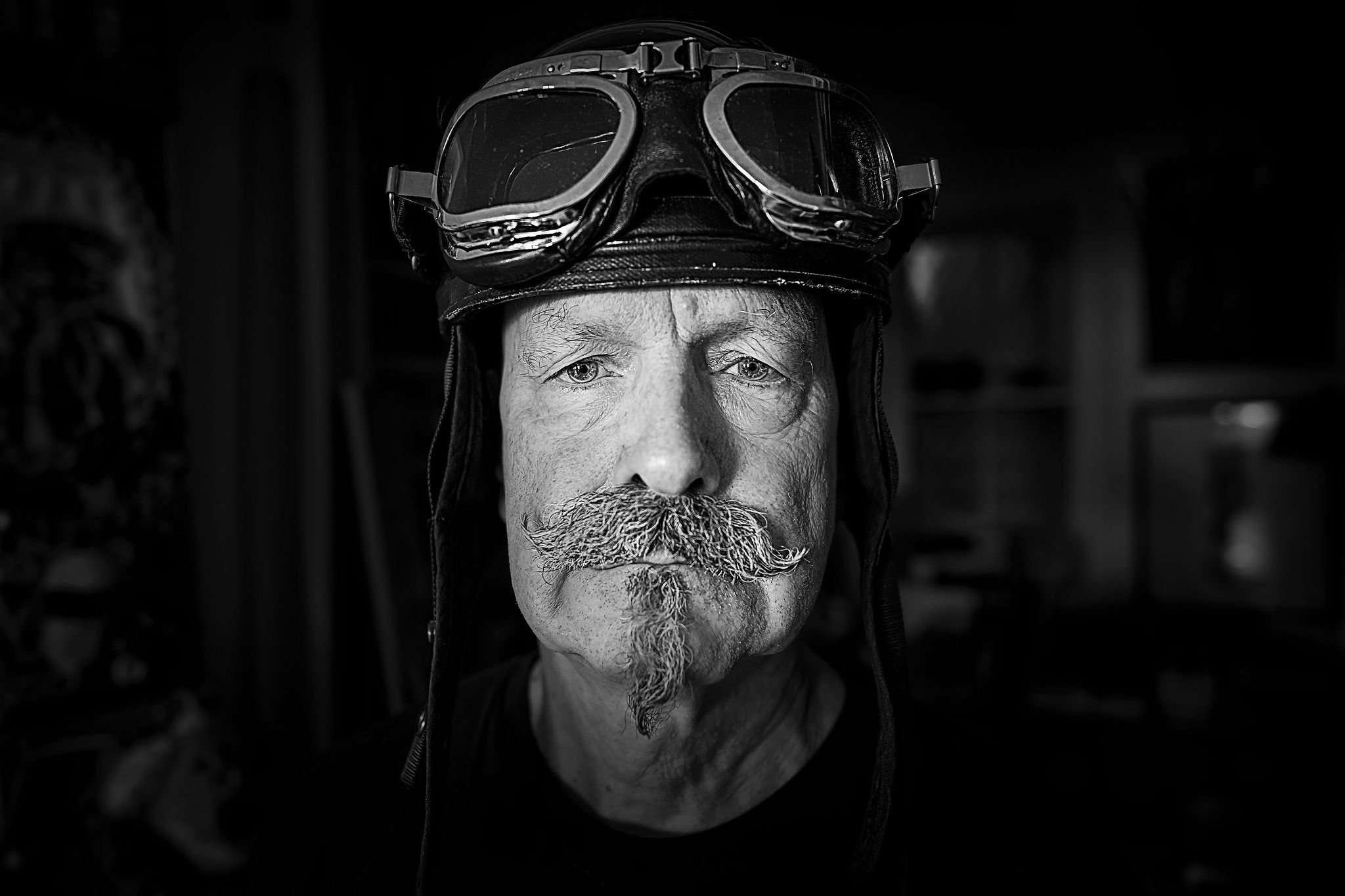
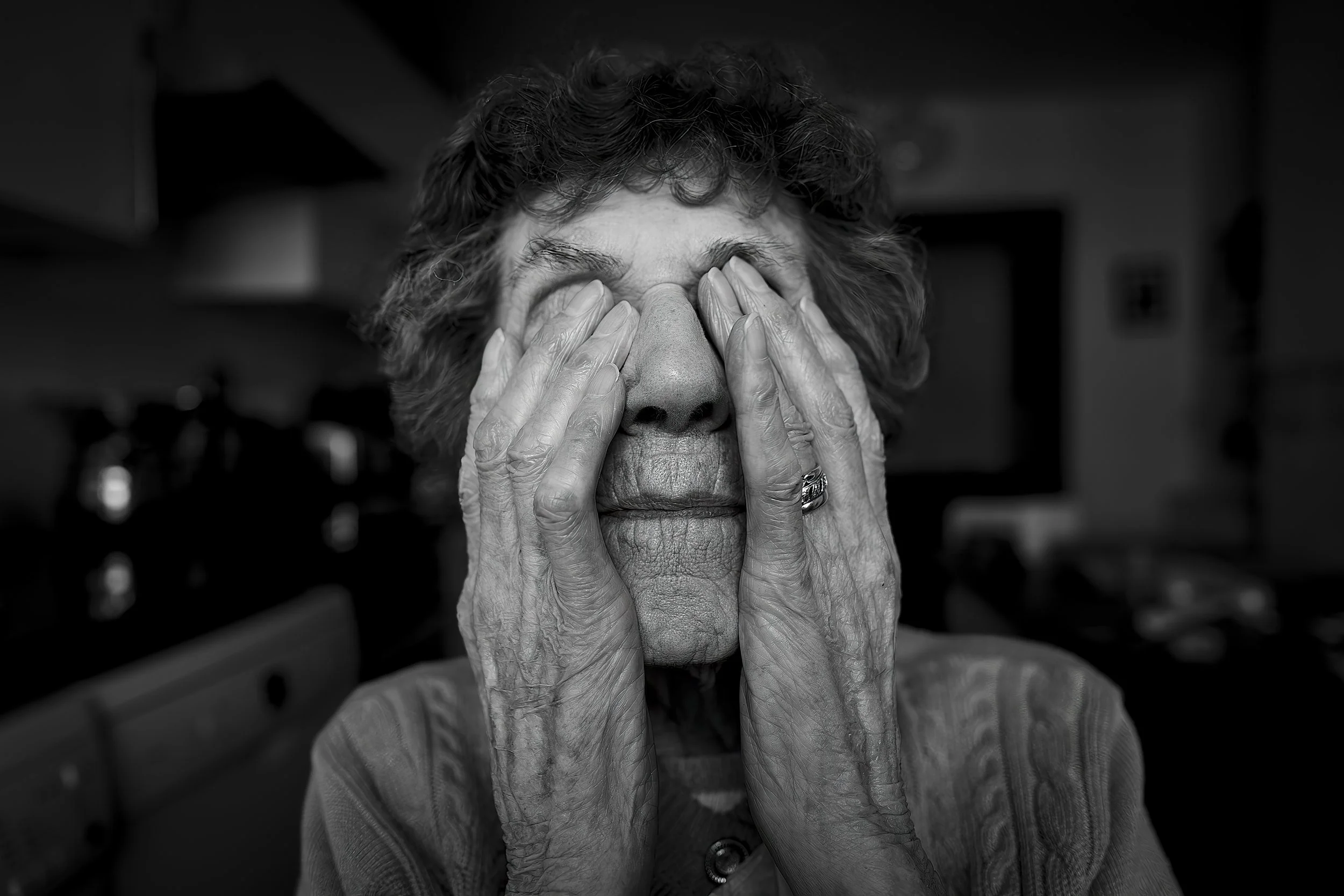


PERSONAL PROJECT • COMMUNITY ARCHIVE • ORAL HISTORY
LIGHT
KEEP
A portrait and oral-history project built on a single idea: when you strip everything back, the truth becomes unmistakable. One person. One lens. One honest frame.
Now evolving into a community-rooted archive — capturing the lives and memories of older residents in Rottingdean and nearby villages.
PROJECT STATUS • Active — Funding Application · UK National Lottery · April 2026
“Impeccable talent with words and a terrific eye for still and moving image. That combined with a producer’s savvy makes him unique in my experience.”
Working on
something?
Script, story produce, or edit — let's talk about what the film actually needs.